Pith schreibt die Notizen für dich. Obsidian drückt dir ein leeres Vault in die Hand.
Obsidian ist das local-first Markdown-Vault für Power-User — endlos erweiterbar, Plugin-reich und die De-facto-Heimat für Zettelkasten und persönliches Wissensmanagement. Diese Power hat aber ihren Preis: Jede Notiz, jeder Link, jeder Ordner und jeder Workflow liegt in deiner Hand — du schreibst und pflegst alles selbst. Pith dreht das um. Du legst ein Bookmark zu dem an, was du liest, und das Wiki — Konzeptseiten, Quellenangaben, Verknüpfungen — baut sich von selbst auf. Obsidian belohnt diszipliniertes tägliches Notizenschreiben; Pith belohnt das Lesen. Das sind zwei verschiedene Abmachungen mit deiner Zeit, und die richtige Antwort hängt davon ab, welche du tatsächlich durchhältst.
Im Direktvergleich
| Merkmal | Pith | Obsidian |
|---|---|---|
| Autoren-Modell | Automatisch aus Bookmarks aufgebaut | Manuelle Notizen, die du schreibst |
| Wissenseinheit | Konzeptseite (automatisch aufgebaut) | Atomare Notiz / Zettel (von Hand) |
| Verknüpfung | Automatische Quellenangaben zu den Quellen | Manuelle [[Backlinks]] |
| Pflegeaufwand | Null — läuft im Hintergrund | Laufend — das Vault musst du pflegen |
| Erfassung | Browser-Erweiterung, RSS, E-Mail — ein Tastendruck | Web-Clipper-Plugin (manuell) |
| Speicherung | Cloud, Frankfurt | Local-first Markdown-Dateien |
| Erweiterbarkeit | Meinungsstark, feste Oberflächen | Über 2.000 Community-Plugins |
| KI | Quellenbasierte Synthese + Briefings | Über Plugins (selbst mitbringen) |
| Quellenangaben | Jeder Absatz zitiert ein Bookmark | Was auch immer du eintippst |
| Audio-Briefings | Pro Mandant per TTS | Nicht nativ |
| Wissen pro Mandant | Erstklassiges Konzept | Ordner / Tags, die du selbst anlegst |
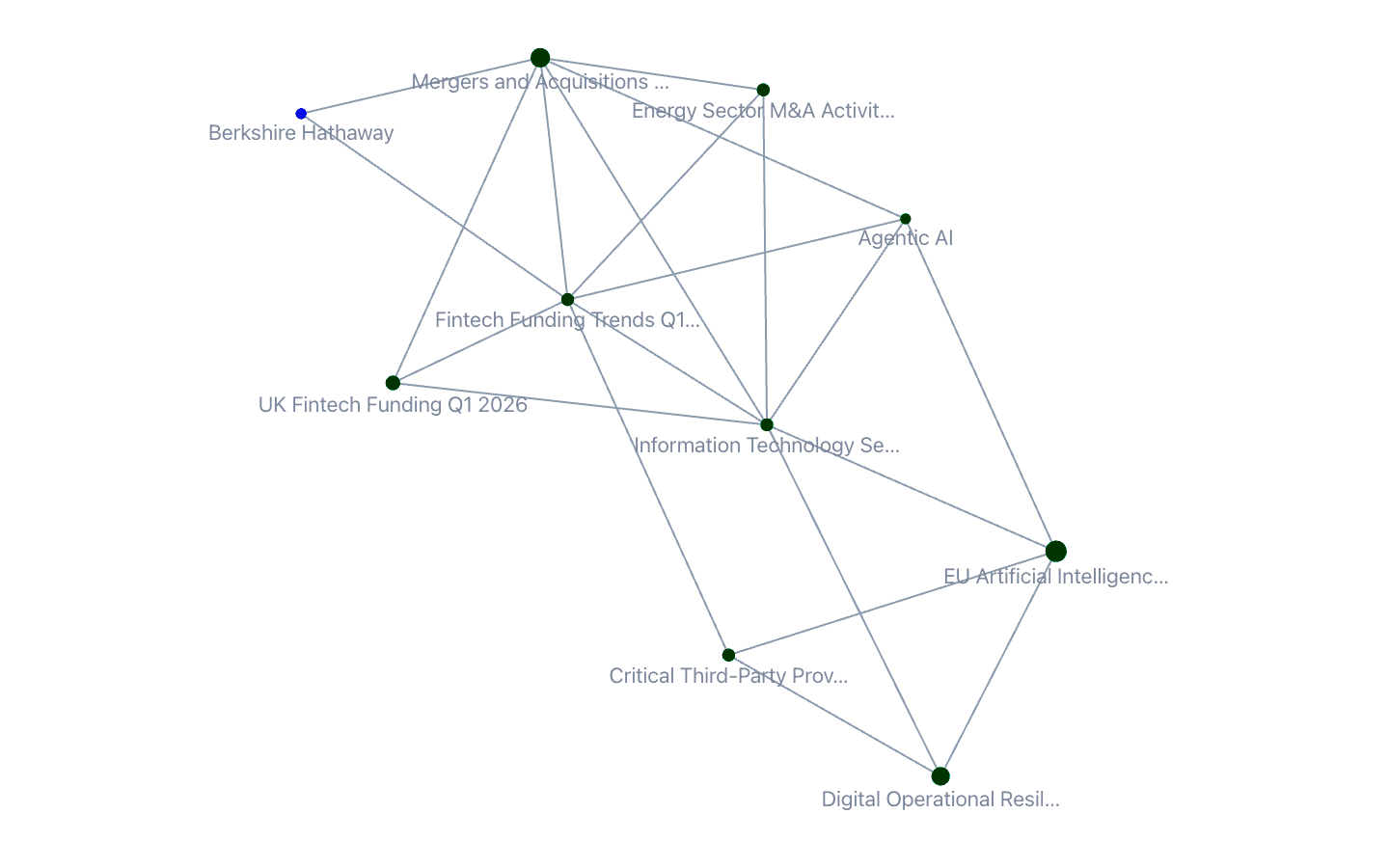
| Graph | Topic Map (semantische Cluster) | Graph-Ansicht (deine Links) |
| Preismodell | Speichern kostenlos; bezahlt wird pro Briefing, Dossier oder Audio (2–5 €). Keine Seats | Kostenlos privat; Sync/Publish kostenpflichtig |
| Datenstandort | Frankfurt, Deutschland | Lokal (auf deinem Rechner) |
| Am besten für | Leseintensive Profis | Tüftler, Notiz-zuerst-Denker |
Wann Pith gewinnt
Du bewunderst den Zettelkasten, hast ihn aber nie durchgehalten
Luhmanns Zettelkasten funktionierte, weil er jeden Tag eine Handvoll atomarer Notizen schrieb — über Jahrzehnte. Die meisten, die sich für denselben Zweck ein Obsidian-Vault einrichten, geben es wieder auf — das tägliche Schreiben ist echte Arbeit. Pith liefert dir das Ergebnis (verlinkte, zitierbare Konzeptseiten) aus den Artikeln, die du ohnehin liest — ganz ohne das Karteikarten-Schreiben, das du sonst durchhalten müsstest.
Du liest mehr, als du schreibst
Obsidian ist auf das Schreiben optimiert. Wenn deine Woche aus 20 gelesenen Artikeln und 3 geschriebenen Notizen besteht, hält das Vault die falschen drei fest. Pith baut dein Wissen aus den 20 auf — das Lesen verzinst sich, egal ob du die App je wieder öffnest.
Du betreust Mandanten und brauchst es zitierbar
Pith gibt jedem Mandanten ein eigenes Wiki, ein eigenes Briefing und einen eigenen Aktivitäts-Stream, und jede Aussage zitiert das zugrunde liegende Bookmark als Quelle. Du kannst das in Obsidian mit Ordnern und Plugins nachbauen — aber du baust es selbst, und du pflegst es für immer.
Wo Obsidian gewinnt
Wo Obsidian gewinnt
Local-first Eigentum (deine Notizen sind schlichte Dateien auf deiner Festplatte, kein Anbieter dazwischen), nahezu grenzenlose Erweiterbarkeit (Plugins, eigenes CSS, Canvas, Dataview), Offline-first und für den privaten Gebrauch kostenlos. Und die Zettelkasten-Praxis selbst: Wenn du atomare Notizen schreiben und durch das Verknüpfen denken willst, ist genau dieser Akt des Schreibens der Wert — Pith ersetzt ihn bewusst nicht. Für Denker, deren wichtigstes Werkzeug die selbst geschriebene Notiz ist, ist Obsidian unübertroffen. Viele nutzen beides: ins Pith hineinlesen und die wenigen Notizen, die das Lesen anstößt, in Obsidian schreiben.
FAQ
Kann Pith Obsidian ersetzen?
Für eine lesegetriebene Wissensschicht — Wikis pro Thema, Wissen pro Mandant, Quellenangaben — ja. Für ein handgeschriebenes Vault, tägliches Notizenschreiben und Plugin-getriebene, individuelle Workflows nein. Viele Nutzer behalten Obsidian für ihr eigenes Schreiben und ergänzen Pith fürs Lesen.
Ist Pith ein Zettelkasten-Tool?
Nicht im strengen Sinn. Ein Zettelkasten entsteht aus atomaren Notizen, die du schreibst; Piths Seiten sind auf Konzeptebene und werden automatisch aus den Quellen aufgebaut, die du liest. Der Geist (verknüpftes, anwachsendes Wissen) überschneidet sich, aber die Mechanik ist umgekehrt. Für die Betrachtung auf Methodenebene siehe unseren Vergleich Pith vs. Zettelkasten.
Hat Pith Backlinks wie Obsidian?
Pith verknüpft Seiten mit den Bookmarks, aus denen sie entstanden sind (Quellenangaben), und blendet verwandte Konzepte ein, verlangt aber nicht, dass du [[Wikilinks]] von Hand schreibst. Die Verknüpfungen entstehen aus der Synthese, nicht aus manuellem Querverweisen.
Kann ich meine Notizen lokal halten wie in Obsidian?
Nein — Pith ist ein gehosteter Dienst (Daten in Frankfurt, niemals zum Training von Modellen genutzt). Wenn local-first, standardmäßig offline und Dateieigentum eine zwingende Anforderung sind, ist Obsidian die bessere Wahl.
Ist Pith kostenlos wie Obsidian?
Obsidian ist für den privaten Gebrauch kostenlos; das Speichern ist bei Pith ebenfalls kostenlos — Bookmarks, das automatisch gebaute zitierte Wiki, Suche, MCP-Zugang. Pith berechnet nur Festpreise (zitiertes Briefing 2 €, Dossier 5 €, Audio 3 €) — du zahlst für fertige, zitierte Ergebnisse, nicht für den Zugang.
Kann ich mein Obsidian-Vault importieren?
Es gibt keinen direkten Importer — ein Obsidian-Vault besteht aus selbst geschriebener Prosa, und Pith erwartet Quellen, die es synthetisieren kann. Der sauberere Weg ist, die ursprünglichen Artikel, um die es in deinen Notizen ging, als Bookmark anzulegen, damit Pith zitierbare Seiten direkt aus den Quellen aufbaut.
Hat Pith Plugins?
Nein. Pith ist bewusst meinungsstark — feste, gut abgestimmte Oberflächen statt eines Plugin-Ökosystems. Wenn du es liebst, deine Tools anzupassen und zu erweitern, ist das eine Stärke von Obsidian, mit der Pith gar nicht erst gleichziehen will.
Wo liegen meine Daten?
In Frankfurt, Deutschland. Wir trainieren keine Modelle mit deinen Inhalten. Obsidians Daten liegen dort, wo auch deine Dateien liegen (auf deinem Rechner, plus optionalem kostenpflichtigem Sync).
Kann ich beides nutzen?
Ja, und das ist eine sinnvolle Aufteilung: Pith als eingehendes Lese-Gedächtnis (Erfassung, Synthese, Briefings), Obsidian als der Ort, an dem du deine eigenen atomaren Notizen schreibst. Die beiden kommen sich nicht in die Quere.
Starte kostenlos mit Pith.
Keine Kreditkarte. Vergleiche uns mit deinem echten Lese-Workflow.
Zuletzt geprüft: 5. Juni 2026 · CC BY 4.0 · frei zitierbar mit Quellenangabe zu Pith.